Economic growth is ultimately driven by the creativity, consumption, innovations, and productivity of individuals. Throughout history, societies that have reduced unnecessary government barriers to enterprise have generally experienced higher rates of innovation, investment, and job creation. These countries including the Hong Kong, Switzerland, New Zealand, USA, UK, Malaysia, Japan, Canada, Botswana, perform better on the Economic Freedom Index of the Fraser Institute. Governments best promote prosperity not by directing economic activity but by creating an environment where individuals are free to start businesses, compete fairly, own property, and engage in voluntary exchange under the rule of law.
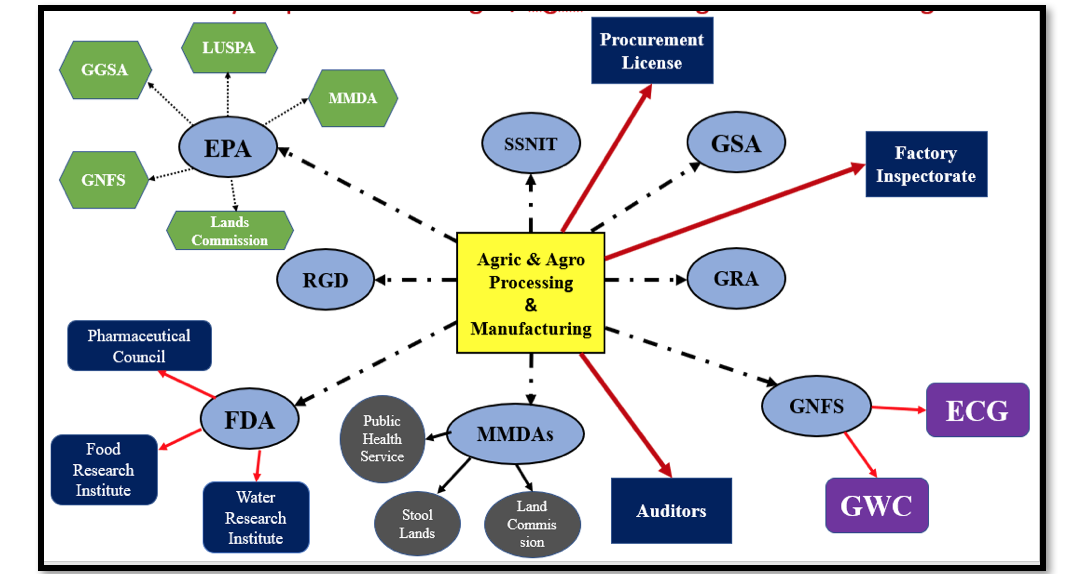
In Ghana, entrepreneurs remain central to economic development, yet they often face a complex web of licences, permits, inspections, administrative delays, and compliance requirements. These barriers increase the cost of doing business, discourage innovation, and keep many enterprises in the informal economy.
The Transparent and Inclusive Systems for Opportunity (TISO) Project, developed by the Institute for Liberty and Policy Innovation (ILAPI), seeks to improve Ghana's regulatory environment through evidence-based reforms. From a libertarian perspective, the project is expanding entrepreneurship, strengthen markets, increasing household incomes, and stimulating economic growth by reducing unnecessary government-imposed barriers while preserving regulations that genuinely protect the public interest.
Libertarianism and Economic Freedom
Libertarianism is founded on the principle that individuals should be free to make voluntary economic choices, provided they respect the rights of others. This philosophy emphasizes secure property rights, freedom of contract, open competition, limited but effective government, and the rule of law.
In this framework, government has an important role in enforcing contracts, protecting life and property, maintaining public order, and providing a predictable legal environment. However, regulations should be justified by clear public benefits. Rules that are duplicative, excessively costly, or unnecessarily complex can discourage entrepreneurship without improving public welfare.
Economic freedom enables individuals to identify opportunities, invest capital, create businesses, employ workers, and develop innovative products and services. When governments simplify regulatory systems, they reduce the costs of market participation and allow entrepreneurs to focus more of their time and resources on productive activities.
The Regulatory Challenge in Ghana
Many entrepreneurs in Ghana encounter administrative burdens before they can begin operating or expand their businesses. While regulation is necessary in areas such as public safety, environmental protection, and consumer welfare, inefficient regulatory processes can impose significant costs. The TISO project revealed businesses spend 30 percent of their capital for business entry compliance.
Small and medium-sized enterprises (SMEs) are particularly affected because they typically have limited financial and administrative capacity. Time spent obtaining permits, responding to overlapping inspections, or navigating unclear procedures represents time and money that cannot be invested in production, marketing, technology, or employment.
For many informal businesses, the perceived cost of formalization may outweigh the expected benefits. This limits access to finance, government procurement opportunities, and broader markets.
How the TISO Project Encourages Entrepreneurship
The TISO Project promotes regulatory reform that reduces unnecessary barriers while improving transparency and accountability. Several mechanisms can encourage entrepreneurship.
Simplifying business registration lowers the cost of entering the market. When registration becomes faster, more predictable, and less expensive, more individuals are willing to transform business ideas into formal enterprises.
Reducing overlapping licensing requirements allows entrepreneurs to allocate scarce resources toward productive investment instead of administrative compliance.
Greater regulatory transparency reduces uncertainty. Entrepreneurs are more likely to invest when they clearly understand the rules governing their businesses and can anticipate regulatory decisions.
Evidence-based regulatory reform can improve investor confidence. Domestic and foreign investors generally prefer environments where regulations are stable, proportionate, and consistently applied.
Finally, reducing unnecessary compliance burdens encourages informal businesses to formalize, broadening the tax base while improving access to credit, contracts, and business development services.
Entrepreneurship, Income, and Consumption
Entrepreneurship influences economic growth through several channels.
New businesses create employment opportunities. As employment expands, household incomes and consumption increase. Rising incomes allow families to purchase more goods and services, leading to greater consumption throughout the economy.
This increased demand stimulates further production, encouraging existing firms to expand and creating opportunities for new businesses. Economists often describe this as a multiplier effect: one entrepreneur's investment generates benefits that extend well beyond the initial business.
For example, a newly established food-processing company may purchase agricultural products from local farmers, hire workers, contract transport services, and buy packaging materials from suppliers. Employees then spend their wages on housing, education, healthcare, food, and transportation, supporting additional economic activity.
The TISO Project therefore has the potential to contribute not only to business creation but also to broader improvements in income generation and domestic demand.
Productivity and Innovation
Competitive markets encourage firms to improve quality, reduce costs, and develop innovative products. When unnecessary regulatory barriers are reduced, businesses can devote more resources to technology, workforce development, and customer service.
Innovation is particularly important for young entrepreneurs and digital businesses, which often require flexible regulatory environments to test new ideas and respond quickly to market opportunities.
Rather than protecting inefficient firms through excessive regulation, competitive markets reward those that deliver greater value to consumers.
Lessons From Africa
Several African countries demonstrate how regulatory reform can support entrepreneurship.
Mauritius simplified investment procedures, promoted trade openness, and strengthened property rights, helping diversify its economy beyond sugar production.
Rwanda implemented major reforms to business registration, licensing, and land administration, improving the environment for private investment.
Kenya's mobile money revolution illustrates how allowing private innovation within an appropriate regulatory framework can expand financial inclusion and create entirely new markets.
These experiences do not suggest that regulatory reform alone guarantees prosperity. Rather, they indicate that simpler, more predictable, and transparent regulatory systems can support entrepreneurship when combined with sound institutions and macroeconomic stability.
To maximise the impact, Ghana must consider a regulatory Impact Assessments for significant new business regulations. Regularly review of existing regulations to determine whether they remain necessary and proportionate indispensable for real sector development.
Establishing statutory time limits for business approvals and licensing decisions and digitizing business registration, and licensing processes across government agencies would reduce the unnecessary expenditures businesses carry. Publishing regulatory requirements, fees, and processing timelines online would strengthen transparency. The state musts expand structured consultation with entrepreneurs, SMEs, and civil society during all regulatory reforms.
It is important to eliminate duplicative licences and unnecessary administrative procedures. The Environmental Health Department of the local Assemblies issue food hygiene certificates. The FDA also issues Food Hygiene Certificates. Why can't the two institutions have a harmonized certificate/license for food sellers/restaurant operators? Removing duplications would improve coordination among regulatory agencies to reduce administrative burdens.
The TISO Project represents more than a regulatory reform initiative; it is an investment in Ghana's entrepreneurial potential. From a libertarian perspective, reducing unnecessary barriers allows individuals greater freedom to innovate, invest, and build businesses while enabling government to focus on its essential responsibilities of protecting rights, enforcing contracts, and maintaining the rule of law.
By creating a regulatory environment that is transparent, proportionate, and evidence-based, Ghana can encourage more entrepreneurs to enter the formal economy, generate employment, increase household incomes, and stimulate domestic consumption. Over time, these changes can contribute to stronger economic growth, broader opportunity, and a more prosperous society.
Economic development is most durable when it is driven not by government direction but by the initiative, creativity, and voluntary cooperation of free individuals.
Peter Bismark Kwofie
Executive Director, ILAPI