Impact of Inflation on Household Consumption and Poverty Reduction in Ghana
The latest inflation figures for October have sparked concerns among economists and policymakers in Ghana. The country's inflation rate has consistently exceeded the central bank's target, hovering around 12%. This upward trend has far-reaching consequences, particularly for the most vulnerable segments of society. Inflation's insidious effects on poverty are often overlooked, but its impact is undeniable.
High Inflation in Ghana and Its Impact on Poverty
Inflation very important in measuring the economic growth of a country. It is referred to as the rate at which the general level of prices for goods and services rises over time, leading to a decrease in the purchasing power of money. As of October 2024, Ghana’s inflation rate stands at 22.1%, a figure that signals persistent challenges in the country’s economic landscape.
Inflation, or the general rise in prices over time, erodes purchasing power and makes it difficult for households to afford basic goods and services.
For many Ghanaians, especially those living in poverty, this translates into tough choices about which essentials they can afford. High inflation has deep roots in both global and domestic factors, but its impact is most deeply felt by the country’s low-income populations.
It is therefore important to highlight the causes of high inflation in Ghana and its effects on poverty, emphasizing how rising prices push vulnerable households into even deeper economic hardship. Ghana has experienced significant inflation challenges, especially over recent years.
As of August 2022, Ghana's annual inflation rate surged to a record high of 33.9%, driven largely by increased fuel costs, transportation expenses, and the depreciation of the Ghanaian cedi.
This inflation rate marked the highest since 2001 and followed a series of economic challenges, including global inflationary pressures and domestic fiscal issues​ and as of the same year in December 2022 was recorded at 54.1% year –on-year.
Causes of High Inflation in Ghana
Several factors contribute to Ghana’s elevated inflation rate, which has been a consistent issue in recent years. First and foremost, Ghana’s economy is highly vulnerable to currency depreciation. The Ghanaian cedi’s instability has been a significant contributor to inflation, as the country imports a large proportion of its essential goods, including food, fuel, and manufactured items. When the cedi depreciates against stronger currencies like the US dollar, these imports become more expensive, raising prices for consumers.
Additionally, Ghana’s heavy dependence on imports creates a structural weakness that makes it difficult to control inflation. The country relies on imports for nearly 70% of its petroleum needs, as well as for many food items and consumer goods, such as, fish and seafood on imports is 40%.
Rice on Ghana imports approximately 70-80% of its rice consumption, with imports valued at around $391 million in 2021.
Global price increases in oil and food are thus directly transferred to local markets, especially when the cedi’s depreciation amplifies the cost of imports. The prices of essential goods, therefore, become highly sensitive to fluctuations in the global economy, creating a challenging environment for policymakers attempting to stabilize the economy.
Global factors have also intensified Ghana’s inflation problem. In recent years, supply chain disruptions and geopolitical tensions, such as the Russia-Ukraine conflict, have driven up the prices of essential commodities worldwide.
Ghana, like many developing economies, has felt the effects as increased transportation costs and shortages in supply chains lead to higher local prices. For instance, the cost of imported wheat and fuel surged as a result of these disruptions, pushing up prices across various sectors, from food to transportation.
On the domestic front, high public debt and fiscal policies have played a role in worsening inflation. Ghana’s debt-to-GDP ratio has exceeded 80% in recent years, with a substantial portion of government revenue allocated to servicing this debt.
High levels of debt restrict the government’s ability to invest in productive sectors, while the need to borrow more or print money to cover budget deficits further inflates the money supply, driving prices higher.
This cycle of debt and inflation is particularly difficult to escape, as high inflation also erodes the value of public debt, prompting the government to spend even more on interest payments.
The Impact of Inflation on Poverty
High inflation has far-reaching consequences, but its impact is most profoundly felt by Ghana’s low-income households. As inflation rises, purchasing power diminishes, meaning that households can buy less with the same amount of money. For families already struggling to make ends meet, this erosion of purchasing power leads to difficult sacrifices. Data from the Ghana Statistical Service (GSS) shows that low-income households now spend over 60% of their income on food, which leaves little room for other necessities like healthcare, education, and shelter.
When essential items become more expensive, families are forced to prioritize short-term survival over long-term investments, perpetuating a cycle of poverty.
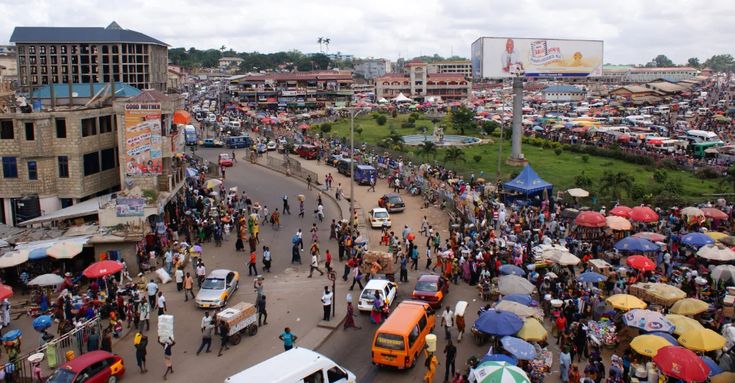
One of the most visible effects of inflation is its role in worsening food insecurity. With food prices rising sharply, more Ghanaians, particularly those in urban areas who rely on purchased food, struggle to access a nutritious diet.
Staple items like rice, maize, and vegetables have become increasingly expensive, making it difficult for low-income families to afford balanced meals.
Food costs have also increased at local markets. Important staples like pepper and ginger have seen sharp price increases in Tema Community Nine and Ashaiman markets. A bag of pepper, for instance, went from GHS 400 to GHS 530 in a single week, and a bag of ginger quadrupled in price from GHS 200 to GHS 800.
Similar increases have been seen in maize and beans, with the former rising from GHS 650 to GHS 1,000, suggesting that customers are now dealing with much higher food expenses.
In rural areas, where farming is more common, inflation has driven up the cost of inputs like seeds and fertilizer, reducing agricultural productivity and pushing food prices higher. According to the World Food Programme, food insecurity in Ghana has increased significantly due to inflation, which places an added burden on the most vulnerable households.
There is an estimated of 850,000 Ghanaians who were forced into poverty in 2022 as a direct result of the rising prices, according to simulations done during this time period. These people and families had short-term drops in income and consumption that solidified, resulting in poverty that became entrenched and, in certain situations, even permanent.
Inflation also affects employment and income stability, especially in Ghana’s informal sector, where most low-income Ghanaians work. Rising costs for small and medium-sized enterprises (SMEs) have forced many businesses to cut costs, sometimes by reducing their workforce or even closing down. As the Ghana Employers’ Association noted, inflation has caused approximately 12% of SMEs to shut down in recent years.
This instability in employment reduces household incomes and pushes more people toward precarious jobs in the informal sector, where earnings are low and inconsistent, further deepening poverty.
Another alarming revelation was that, in the final quarter of 2022, there were an astounding 823,000 Ghanaians experiencing food insecurity, up from 560,000 in the same quarter of 2021.
Due to the ongoing increase in food prices, many people found it difficult to maintain an active and healthy lifestyle, let alone buy enough food to meet their nutritional demands.
Inflation exacerbates inequality in Ghana, as its effects hit the poor harder than the wealthy. While wealthier individuals may own assets that appreciate with inflation or have diverse income streams, low-income households typically rely on cash that loses value as prices rise. This widening gap between rich and poor, driven by inflation, creates social tension and limits economic mobility, making it more challenging for impoverished families to improve their situation.
Addressing Inflation and Poverty
To mitigate the impact of inflation on poverty that affected over 850,00 Ghanaians in 2022, a comprehensive approach in needed. Ghana needs a multifaceted approach that addresses both immediate needs and long-term structural weaknesses.
Increasing domestic production, particularly in agriculture and manufacturing, can reduce reliance on imports and stabilize prices by creating a self-sustaining economy. Strengthening the local production base would not only curb inflation but also create jobs, helping to alleviate poverty.
Initiatives that provide temporary employment through infrastructure projects, like building roads, schools, or community centers, offer income to those in poverty. Such programs not only support immediate household income but also contribute to long-term community development.
Again, Agriculture is a key sector in Ghana, and support for smallholder farmers can stabilize food prices and incomes. Subsidizing seeds, fertilizers, and equipment, and offering training on sustainable practices, can make the sector more resilient to inflation.
Another way to address inflation is through Microloans and Financial Literacy to allow households and small businesses to access funds without high-interest rates, helping them manage economic shocks and create income opportunities.
Financial literacy programs can empower families to manage their finances effectively during economic crises.
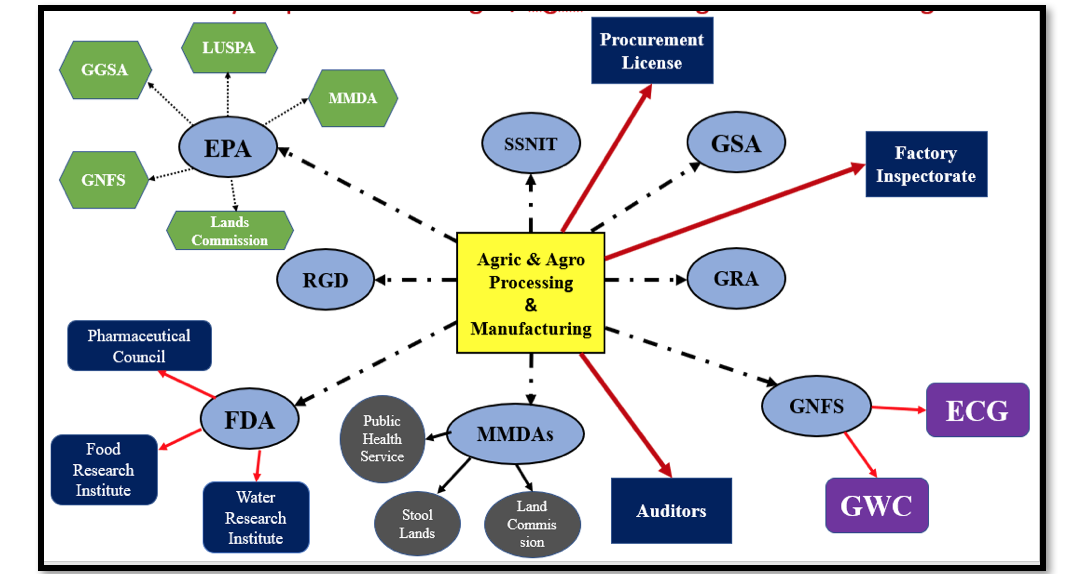
Regulatory burdens stifle innovation, increase operational costs, and create barriers to entry. Deregulating industries such as energy, healthcare, and transportation could lead to more competition and better services at lower prices. Business regulations should drive competition, innovation, economic prosperity. When Ghana industrializes, more jobs will be created and production will increase.
Empirical Studies by the Cato Institute suggest that deregulation increases competition, which can lower prices and improve service quality for consumer
Specific regulatory rollbacks, such as reducing occupational licensing requirements, can allow more people to enter the workforce and start businesses.
Inflation is a barrier to poverty reduction and economic stability which further contributes to pushing Ghanaians into poverty. Addressing this issue requires coordinated action from policymakers, businesses, and communities to build a resilient, self-sufficient economy that can protect the livelihoods of Ghana’s most vulnerable citizens.