A Call for Accountability: ECG’s Huge Losses Must End with a New Leadership
The Electricity Company of Ghana (ECG), a crucial institution responsible for power distribution across the southern zones of the country, has suffered significant financial and operational losses in 2021 and 2022. These losses, running into billions of Ghana cedis, have raised serious concerns about mismanagement, inefficiency, and potential corruption within the company.
Given its strategic importance to national development, it is imperative to investigate ECG thoroughly and sanction responsible authorities to prevent further economic strain and service deterioration.
In the year 2021 and 2022, ECG has consistently reported substantial revenue losses, with figures indicating inefficiencies in revenue collection, illegal connections, and operational leakages. The figure below shows the reported financial losses in 2021 and 2022:

Source: Auditor General’s Report (2023).
The total reported losses from 2021 to 2022 amounted to GH¢12.12 billion, with figures for 2023 and 2024 yet to be disclosed. These losses do not only burden the government and taxpayers, but also hinder ECG’s ability to provide stable electricity services.
Accordingly, ECG’s inability to recover debts from key institutions, including government agencies, has exacerbated its financial woes. Not to mention the outdated infrastructure and poor monitoring mechanisms which have contributed to the technical and commercial losses and worsening power crisis, the absence of stringent oversight mechanisms has also allowed procurement irregularities, inflated contracts, and misallocation of resources. Consequently, it is arguably convincing to believe that there is an internal oversight, leading to further losses. These losses call for an independent forensic audit to uncover the extent of malfeasance and ensure those responsible are held accountable.
In effect, the inefficiencies within ECG have had a ripple effect on the Ghanaian economy, making individuals and businesses suffer damages and losses due to the unstable power supply, led to productivity losses for businesses, discouraging investment and impeding industrial growth. Small and medium enterprises (SMEs), which rely heavily on electricity for daily operations, are borne the brunt of ECG’s failures.
Notwithstanding, Ghanaians frequently faced inconsistent and heartbreaking billings for unstable power one cannot account for. This placed undue stress on households, making the cost of living even higher and collapsing businesses. It is clear that if the current leadership remains in authority and ECG’s financial hemorrhage continues unchecked, it will only exacerbate the country’s economic woes sooner or later.
The government, through the relevant regulatory bodies such as the Public Utilities Regulatory Commission (PURC) and the Auditor-General’s Office, must initiate an independent probe to assess the root causes of ECG’s inefficiencies. If evidence of corruption and mismanagement are established, individuals involved should be sanctioned, prosecuted, and barred from holding such sensitive public office.
Furthermore, reforms should be implemented to enhance transparency in ECG’s operations. Measures such as total digitization of bill payments, improving debt recovery strategies, and investing in modern electricity distribution infrastructure should be prioritized.
In addition to that, there should be strict oversight and accountability mechanisms put in place to prevent a recurrence of such financial mismanagement.
The persistent financial and operational losses at ECG between 2021 to 2022 represent a significant threat to Ghana’s energy sector and economic stability. Without urgent investigations and appropriate sanctions for those responsible, the cycle of inefficiency, and corruption will continue, ultimately placing a heavier burden on ordinary citizens and businesses. Hence, holding ECG accountable is not just a matter of financial prudence but it is equally a necessity for Ghana’s economic future and sustainable energy security.
Author
Stephen Dansu
Head of Research, ILAPI
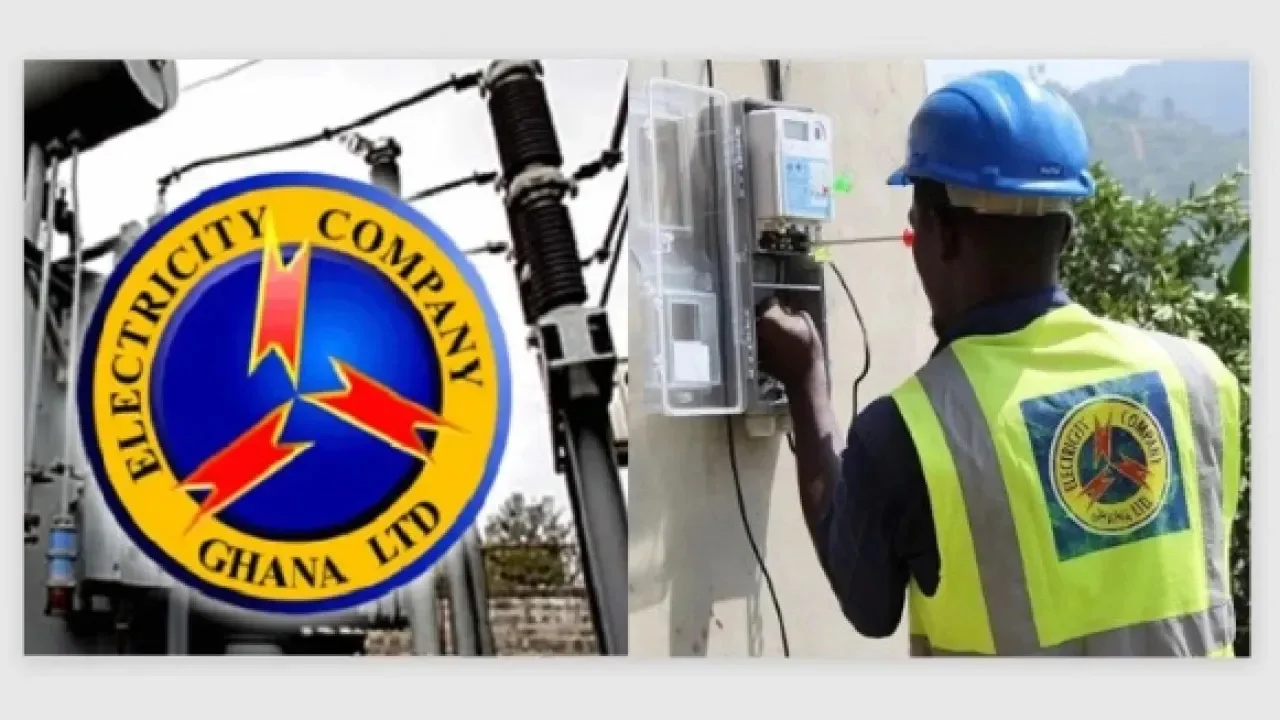
Image Source: Public Sector Magazine
https://publicsectormag.net/2024/01/26/ghana-ecg-to-kick-off-operation-no-free-consumption-on-february-1st/