To make Ghana a competitive place to live, work, start and grow businesses, and trade on the continent and beyond, reforms must be embraced to control regulations. The rise in remote work during and after COVID-19 has also changed how people commute, and do business allowing them to sequence other things such as taxes, housing and rent, internet, and personal freedom.
The country’s regulatory environment determines what business to establish to stay in business and not what business to start, expand and grow. It is either individuals grow the business in pain or the regulations outgrow the business.
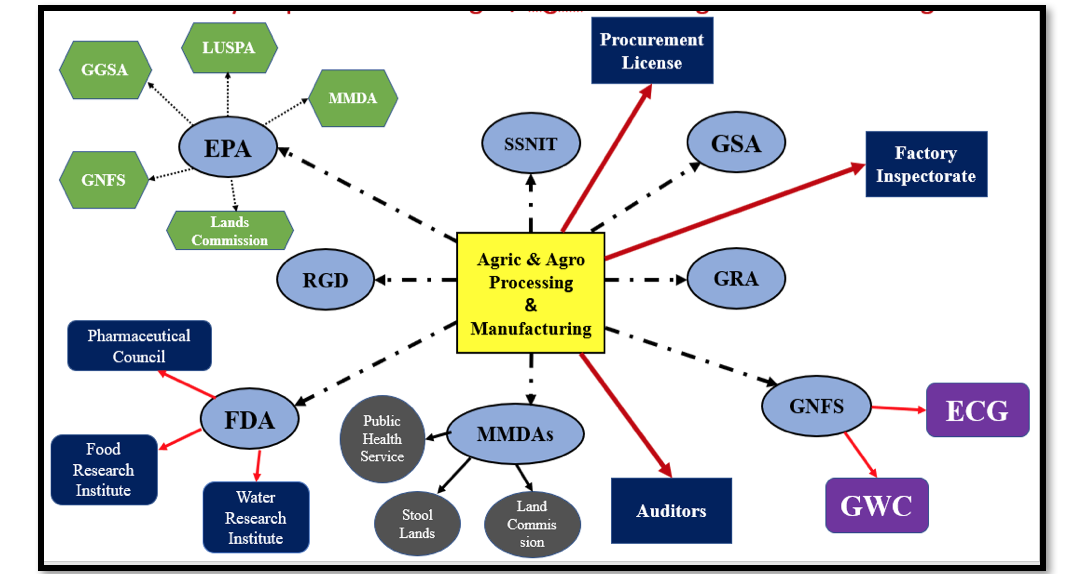
Ghana has a major problem, and that is overregulation of its business environment. The construction industry, which is made up of transport, education, health, water, electricity, sports and recreation, waste management, and others, is characterized by business entry regulations, heavy tax regulations, laws, bye-laws, Labour Act, 2003 (Act 651), Local Governance Act, 2016 (Act 936), the Land Use and Spatial Planning Act, 2016, and Land Use and Spatial Planning Act, Regulations 2019 (LI 2384), and the contract document and key existing health and safety related laws and regulations that over30 stakeholders must comply.
The other health and safety-related regulations in the construction industry are the Environmental Protection Act, 1994 (Act 490), Factories, Offices and Shops Act, 1970 (Act 328); Workmen’s Compensation Act, 1987 (PNDCL 187); National Building Regulations 1996, LI1630, Building Code 2018, GS 1207, Architects Act 1969, Act 357, Civil Liability Act, 1963, Act 176, Environmental Assessment Regulations 1999 (LI 652), and Ghana Health Service and Teaching Hospitals Act, 1996 (Act 526), Land Commission act, 2008 (Act 767) and Ghana Fire Service.
It takes approximately 215 hours to expressly read and grasp what the laws and regulations are communicating.
Another law to create the Construction Industry Development Authority was discussed in 2014 and is yet to make the headlines. Already, there exist institutions such as the Building and Research Institute to provide research to support the industry. Other state actors include the Ministry of Sanitation and Water Resources, the Ministry of Works and Housing, the Ministry of Roads and Highways, and the Ministry of Transport.
The Construction industry requires building permits, environmental permits and fire reports which come at high cost and administrative delays. It has become difficult to do anything without receiving some form of permission from one regulatory authority to another.
Excessive regulation is harassment, increases costs on consumers, and leads to government failure to achieve policy intent.
In as much as there exist countless laws and regulations, many more individuals believe the industry still needs more regulations to ensure safety and professionalism. The Conversation also reports on passing more regulations for the construction industry to propel Ghana’s economic growth.

Stakeholders in the construction industry
Ghana’s economy since 1961 had its highest GDP growth of 14.0 per cent in 2011. In the same year 2011, the industry including construction had a GDP growth of 23.9% lower than in 2005 and 2012, while the service sector’s growth was 45.8% to GDP in the same year. Although the construction industry has experienced upward growth in GDP, the overall GDP has declined far beyond expectation. The construction industry is estimated to be $9.3 billion, accounting for approximately 7.2 per cent of the GDP, and anecdotally employs over 35,000 workers.

World Bank Data
In a study on behavioural analysis of regulatory compliance, Psychologists and Economists, identified that complexity and overregulation do cast down innovation, make businesses reactive and do not prioritize safety. Because there are lots of rules and regulations, businesses in the construction sector will prioritize passing inspections over enhancing safety.
To make the construction industry competitive to attract investment, contribute to job creation, and improve safety, and economic growth, the regulatory processes must be streamlined to ensure reforms do not overburden the state economy and do not take investors and individuals out of business. Obsolete regulations must be discarded and regulation codes simplified to improve safety.
Peter Bismark Kwofie
Business Regulatory Research
Removing Barriers to Prosperity
ILAPI, Tema
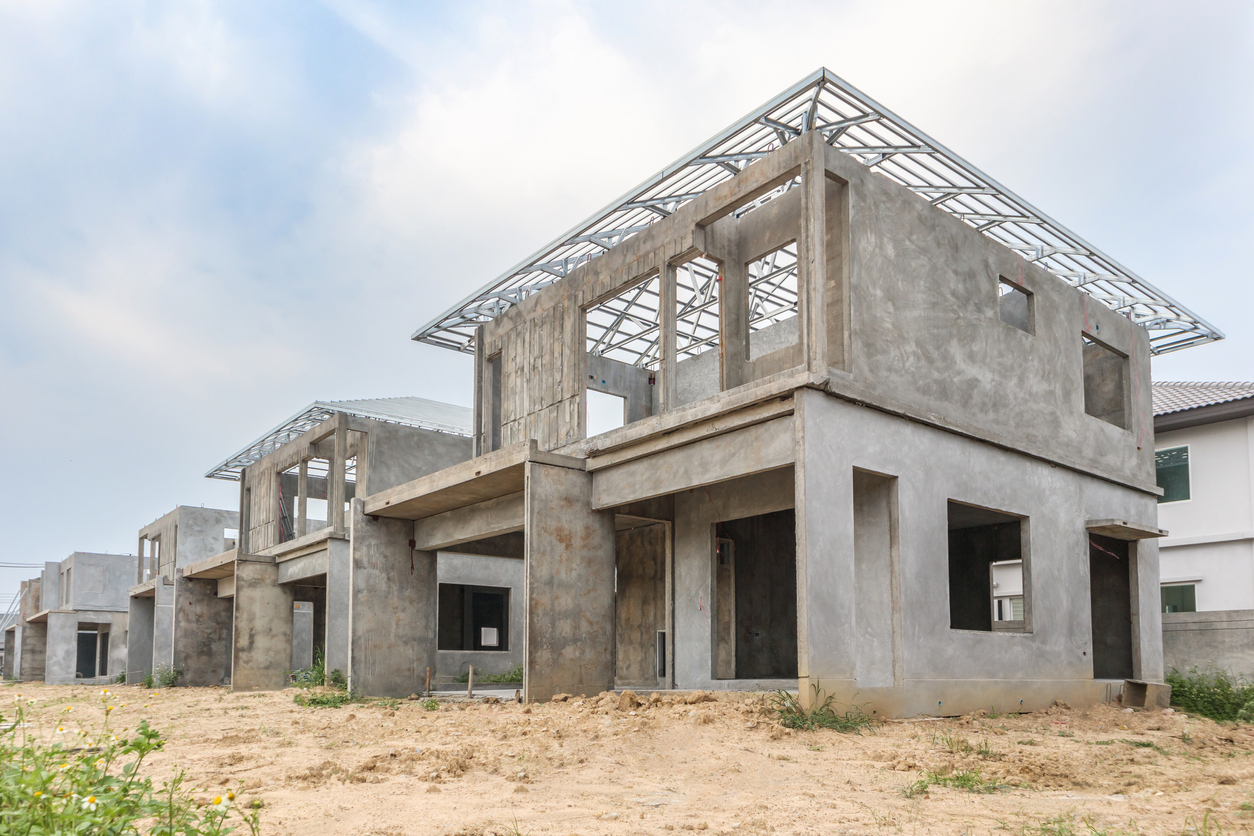
Photo Source: Africa.land