When the COVID -19 pandemic hit countries like Ghana, Civil Society organization like the Institute for Liberty and Policy Innovation (ILAPI) and myself in Tema and other labour associations like the Industrial and Commercial Workers Union (ICU) called on the government for a stimulus package to support businesses to cushion them against the storm.
When the first case of the novel corona virus was recorded on the 12th of March, 2020, the Bank of Ghana (BoG) on 18th March in a press statement lowered the monetary policy rate by 150 basis points to 14.5%. This is a good news for banks and the financial economy. The estimated negative impact of the COVID -19 on export and import, taxation and local business growth and loss of employment triggered intensive advocacy and media engagement for government to support the manufacturing sector and Small and Medium enterprises to keep the economy in motion.
Government quickly announced a stimulus package of GH600 Million to be accessed by the businesses. The government adopted the stimulus package business support policy without much empirical investigations into the main determinants of business sector capital support due to COVID – 19. Yes! Businesses need the stimulus package but what could have been the other means to support businesses hit by the pandemic?
This is where we needed the government to think deeper than a stimulus package or may be a combination of a package and other economic and industrial stimulants.
First, the banking sector does not lack money to lend because of the recapitalization programme and banking sector cleaning exercise that took place between years 2017 – 2019. Already, the Capital Conservation Buffer (CCB) for banks of 3% has been reduced to 1.5% to enable banks provide the needed financial support to the economy. This also contributed to the reduction of the Capital Adequacy Requirement (CAR) from 13% to 11.5%. Government had to only encourage banks to support businesses by restructuring loans to keep people in business. The banks could also be encouraged reduce to interest rate and offer moratorium on loan payment for businesses affected by the pandemic.
The Ministry of Finance could implement sector specific economic support measures for businesses affected by the pandemic. This may include, tax exemptions or reduction of some tax rates and the cost of renewing licensing fees to keep people in business is key to private sector growth and economic development. The pandemic may bring good fortunes to some businesses and those can be identified while others would be placed on economic support programme depending on their needs.
Again, it is the time to see how the Municipal and District Assemblies (MDAs) would be in action to localize policies to support businesses from which they collect daily and monthly levies from. The MDAs could work with the Finance Ministry to equally adopt District economic support policies to assist businesses within their catchment areas.
Transports fares have not been reduced but the number of passengers per seat have been slashed to two instead of three. Vehicular energy has been reduced at the pump due to the reduction of the crude oil on global market. Road tolls and tax on aviation fuel could equally be reduced to help cushion car owners and drivers during these hard times. Transportation affect the doing business in Ghana and once there’s affordable transport it will serve as a bulwark for workers whose salaries have been halved yet have to commute to their work places.
Thinking outside and beyond the box is the new normal when uncertainties set in to distort the everyday norm of economic activities. The government may not need to provide stimulus package if leadership of the State knows the dynamics of the economic activities the pandemic brought to the country.
Peter Bismark
Institute for Liberty and Policy Innovation (ILAPI)
Tema
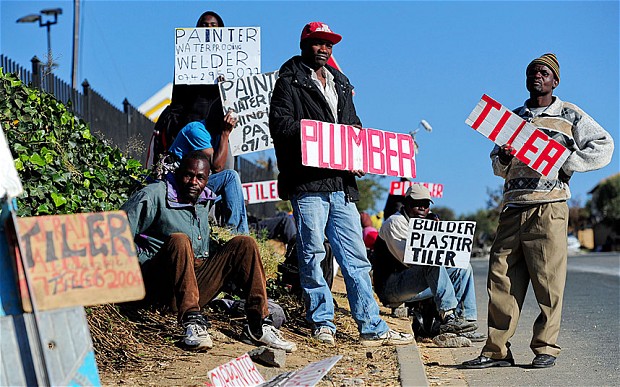
Photo credit: Sandton Journals